
Blog
- Hogar
- Blog
- el intercambio de conocimientos
- The Ultimate Guide to Tapioca Pearls: Production, Application, and Innovation
The Ultimate Guide to Tapioca Pearls: Production, Application, and Innovation
Jun 18, 2025
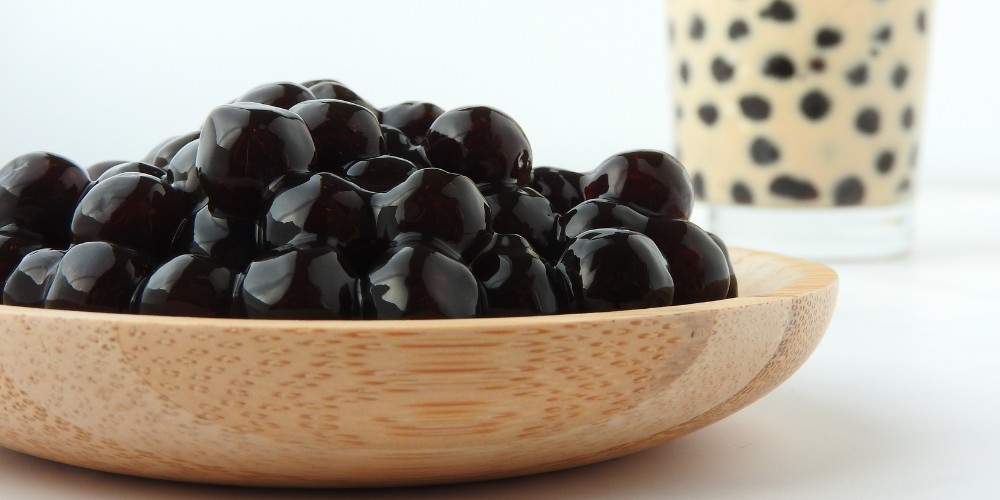
Boba tea has taken the world by storm, not only becoming a viral sensation in Asia but also capturing the taste buds of young people in Europe and America. Behind every best-selling drink is the chewy "tapioca pearls" acting as the soulful supporting role, which not only adds layers to the beverage but also triggers waves of innovation. This article will provide a comprehensive introduction from what tapioca pearls are, how they are made, and storage methods, to innovative pairings and the new generation of toppings like Konjac BOLU, taking you through the star ingredients of the dessert world all at once!
〈Related reading: A Must-Read for Bubble Tea Lovers! Taiwan’s Top 10 Bubble Tea Shops in 2026〉
〈Related reading: Top 10 Taiwanese Bubble Tea Brands: A Quick Flavor and Texture Guide!〉
What are Tapioca Pearls? The Key to Elevating Your Beverage Menu
Tapioca pearls are a widely loved and common topping, frequently seen in beverages, desserts, and shaved ice! The production of tapioca pearls involves kneading cassava starch and water into highly elastic spheres, which are then boiled in water to achieve a shiny appearance and a charmingly chewy texture. The common black tapioca pearls on the market are made by adding brown sugar or caramel during the production process, which not only provides an inviting color but also adds a rich, sweet flavor, enhancing the layers of the drink. It can be said that they provide the finishing touch to bubble tea, which is why they are so popular all over the world.
Tapioca Pearls 101: Ingredients, Production, and Quality Standards
The production of tapioca pearls may seem simple, but every step is full of expertise. In particular, the softness of the dough and the mastery of the ratio between water and cassava starch must be just right, as both will affect the elasticity and texture of the pearls. Beginners often encounter situations where the dough is too wet and sticky or too dry to form a shape. It requires multiple trials and fine-tuning of the ratios to find the most suitable production method.
The following is the common production process:
- Slowly heat brown sugar and water over low heat until completely dissolved and boiling. The sugar water should have a slight thickness to enhance the flavor of the pearls.
- While the sugar water is still hot, pour it in batches into the cassava starch and stir, then knead it into a non-sticky, smooth-surfaced dough. If it is too dry, you can add a small amount of water; if it is too wet, you can add starch as appropriate.
- Cut the dough into small pieces, then roll them into small spheres with a diameter of 0.5 to 0.8 cm. The size should be consistent to ensure even heating, so that the cooked pearls will have a uniform texture.
- Add the tapioca pearls to boiling water and cook over medium-low heat for about 15 to 20 minutes. During the process, it is necessary to stir from time to time to prevent the pearls from sticking to the bottom or clumping.
- After turning off the heat, let the tapioca pearls steep in the pot for about 15 minutes; this allows the centers to cook through completely and enhances the overall chewiness.
- After scooping out the tapioca pearls, rinse them with cold boiled water to make the outer layer more elastic and less sticky; you can soak them in sugar water to keep them moist and sweet, maintaining the boba's best flavor.
The Best Practices for Storing Tapioca Pearls
If the storage method for tapioca pearls is incorrect, it will greatly affect the original elasticity and smooth texture! Generally speaking, cooked tapioca pearls should be stored at room temperature and are recommended to be consumed within 2 to 4 hours. This is because over time, boba will harden due to changes in starch structure, or the surface layer may become mushy, lose elasticity, and taste dry or sticky, completely losing its original delicious appeal.
Some people try to refrigerate or freeze leftover boba. Although short-term refrigeration can slightly extend storage time, the flavor cannot be restored to its original state after reheating. Freezing is even less recommended because thawed boba tends to break and lose its shape. To enjoy the most perfect boba texture, it is recommended to follow the "cook and eat fresh" principle and control the portion size based on actual usage to avoid waste and quality degradation from over-storage.
Mastering Boba Pairings: From Classics to Creative Innovations
Besides the most classic milk tea, boba is also commonly found in fruit teas, sparkling drinks, smoothies, and shaved ice drinks. It is even paired with various toppings such as panna cotta, Jelly Cake, and aiyu lemon to add layers of texture and enhance the visual appeal of the drink. Let's take a look at the many stunningly delicious combinations that tapioca pearls can create!
〈Related reading: Complete Guide to Bubble Tea Toppings: Amazing Taste & Flavor, Top Recommendations for Quality Bubble Tea Toppings! 〉
Creative Drink Pairings with Tapioca Pearls
The combination of tea and tapioca pearls can be said to be the most classic pairing. From traditional boba black tea, boba tea, and oolong cheese foam boba, to fruit tea series with added juice, tapioca pearls can add layers of texture to the drink. Even for sugar-free tea, adding slightly sweet boba can enhance the overall flavor, making people fall in love with it at first sip. Furthermore, in recent years, sparkling drinks have also become a new stage for tapioca pearls, such as grape sparkling boba and orange soda boba drinks. They offer both the refreshing sensation of bubbles and the fun of chewing, becoming new favorites for social media check-ins among the younger generation.
〈Related reading: 3 in 1 Instant Drink Powder Guide: How to Choose the Best Supplier〉
〈Related reading: 【Milk Tea Powder Ingredient Supply】Instant Milk Tea Powder, A Guide to Quick and Easy Preparation!〉
Tapioca Pearls & Frozen Treats
Tapioca pearls also perform remarkably well in ice desserts. Common pairings include winter melon fresh milk boba ice, pineapple boba shaved ice, and matcha ice with boba, making the originally cool and refreshing desserts look even more abundant. Tapioca pearls not only make the texture more three-dimensional when integrated with ice desserts, but they are also more eye-catching visually, especially in handmade ice dessert and creative shaved ice shops, where they are almost always popular options. Paired with toppings like aiyu, jelly, and Jelly Cake, they can create a variety of local flavors. Whether traditional or innovative, boba can perfectly blend in.
〈Related reading: The Ultimate Syrup Guide: Find Your Perfect Flavor for Drinks & Desserts〉
Creative desserts with tapioca pearls
To capture the eyes and taste buds of consumers, many dessert operators have integrated tapioca pearls into Western and Chinese desserts, creating a variety of trendy new products such as boba tea egg tarts, tapioca pearl cheesecake, boba milk jelly pudding, and even boba dorayaki and crepes, which have been stunning since their launch. The sweetness and chewiness of tapioca pearls can be skillfully blended into smooth dairy products, not only making desserts more unique but also significantly increasing their popularity. These innovative pairings not only expand the application range of boba but also allow it to move from drinks into the world of desserts, becoming a source of inspiration for a new generation of culinary creations.
〈Related reading: Bubble Tea Menu Design Guide: 5 Key Elements to Enhance Appeal and Sales〉
Beyond Chewy: "Konjac BOLU" Redefining Texture Standards
Although the popularity of tapioca pearls remains high, many upgraded topping options have appeared on the market, such as the "Konjac BOLU" launched by SKYFUL, which is an innovative topping that combines convenience and has quickly emerged in the beverage market. Konjac BOLU is similar in appearance to tapioca pearls, both being round, small, and eye-catching toppings, but they are quite different in composition and characteristics.
Konjac BOLU can be eaten immediately after opening, without the need for long cooking and simmering, saving a lot of preparation and waiting time. More importantly, the texture of Konjac BOLU is refreshing, springy, and non-sticky. Even if soaked in drinks for a long time, it does not easily become soft and mushy, maintaining stable quality. Through the following table, you can more clearly compare the differences between tapioca pearls and Konjac BOLU:
〈Product Recommendation: Konjac BOLU〉
〈Related reading: What is Konjac BOLU? A must-have in bubble tea shops, Konjac BOLU is a favorite among those who love a chewy texture!〉
Tapioca Pearls VS Konjac BOLU
| Item | Tapioca Pearls | Konjac BOLU |
|---|---|---|
|
Texture |
Chewy and soft |
Crispy and chewy, with a distinct bite |
|
Sweetness |
Medium-High |
Low sweetness, refreshing and not greasy |
|
Features |
Requires cooking and soaking in syrup for hydration |
Ready to eat upon opening, time-saving and convenient |
|
Cooking Time |
Approximately 20–30 minutes |
Can be used without heating |
(Mobile users can swipe the table left and right)
〈Related reading: Always Struggling to Find the Right Bubble Tea Supplier? 3 Key Factors to Help You Choose!〉
Conclusion
Tapioca pearls can be said to be one of the most representative toppings in beverages and desserts. They not only possess a chewy and smooth texture, but are also a classic element that makes people more addicted the more they chew. From the original boba tea to today's various creative fruit drinks, ice products, and desserts, tapioca pearls have continuously evolved and transformed into more new flavors, thus becoming the "Glory of Taiwan" that has taken the world by storm.
As consumers increasingly value dietary quality and health, new types of bubble tea toppings are also gradually rising, such as the "Konjac BOLU" launched by SKYFUL. It has a chewy texture and requires absolutely no time for simmering, greatly reducing time costs while ensuring more stable quality. Whether you are a beverage entrepreneur or a dessert developer interested in ingredients, and happen to be looking for innovative raw materials that can enhance product features, you are welcome to contact SKYFUL to create a more layered and attractive new style of beverages and desserts together!
〈Related reading: Starting a Drink Business? 5 Key Factors You Need to Know for Success〉
〈Related reading: What is bubble tea? Why is it popular? The pride of Taiwan that everyone must try.〉
Clasificación de artículos
Artículos Recientes
- The Ultimate Guide to Tapioca Pearls: Production, Application, and Innovation
- 3 in 1 Instant Drink Powder Guide: How to Choose the Best Supplier
- El rico aroma del puré de frutas: 4 ventajas clave que lo convierten en uno de los favoritos entre las marcas de té de burbujas.
- ¿Emprender un negocio de bebidas? Cinco factores clave para el éxito
- El secreto del pastel de gelatina tradicional: cómo combinarlo y crear postres irresistibles